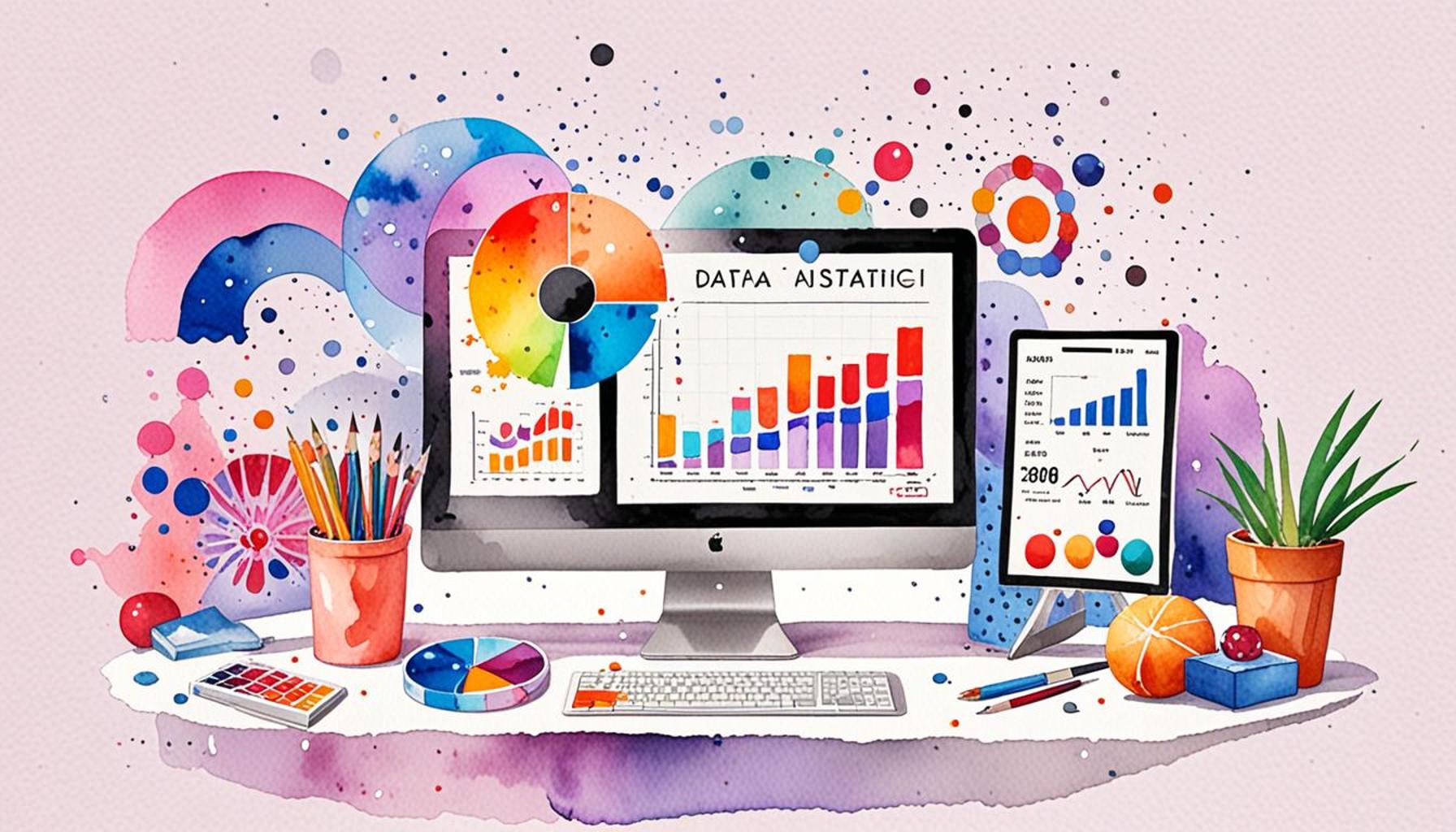
How Shein Uses Data Analytics to Predict Fashion Trends

The Data-Driven Shift in Fashion Retail
In an era where fashion trends can morph dramatically in mere days, Shein stands out as a revolutionary force in the fast-fashion market. The secret to its success is rooted in an astute utilization of data analytics, allowing the brand to not only keep up with trends but to anticipate them with remarkable accuracy. This foresight has led to a shopping experience that feels personal, dynamic, and uniquely attuned to contemporary consumer desires.
So, how does Shein accomplish this impressive feat? The brand relies on a multifaceted approach that leverages the latest in technology and analytics to drive its fashion initiatives, which includes:
- Real-time data collection: Shein continually monitors user interactions on its website and app, gathering data on preferences, browsing habits, and purchasing trends. This extensive data collection allows them to understand what styles resonate most with consumers, enabling quick adjustments to their inventory.
- Algorithm-driven insights: Utilizing sophisticated algorithms, Shein analyzes vast amounts of data to identify future trends. This predictive modeling is crucial in determining which colors, cuts, and styles will likely appeal to their target audience, ensuring that Shein remains ahead of the curve.
- Social media monitoring: By actively tracking discussions and influencer trends on platforms like Instagram, TikTok, and Twitter, Shein can quickly identify emerging looks and cultural shifts. For example, if a popular influencer showcases a particular outfit, Shein can rapidly produce similar items to meet the burgeoning demand.
This innovative use of analytics has far-reaching implications not just for inventory management but also for the individualized shopping experience. Customers increasingly find that products align closely with their tastes, encouraging larger purchases and fostering brand loyalty. For instance, personalized recommendations based on browsing history and previous purchases form a core part of Shein’s customer engagement strategy. The result is a seamless blend of fashion and technology that caters to the fast-paced lifestyle of today’s consumers.
As Shein continues to navigate the complexities of global fashion, understanding the depth of their data-driven strategies offers insight into the evolving landscape of retail. Their ability to deliver timely and relevant styles is reshaping how consumers engage with fashion, setting new standards for competitors in the market. In a world where change is the only constant, Shein’s approach ensures it stays relevant, positioning itself as a leader who not only responds to trends but helps shape them.
Take a closer look at how Shein utilizes these groundbreaking techniques, and explore the complexities they introduce to the intersection of technology and style. It’s a fascinating glimpse into the future of retail that invites both consumers and industry watchers to rethink what it means to dress in the digital age.
DIVE DEEPER: Click here to learn more
Harnessing Data for Trend Forecasting
Shein’s innovative approach to fashion trend forecasting goes beyond merely keeping pace with consumer demand; it actively shapes it. At the core of this efficiency is an intricate system of data analytics, which allows the brand to interpret vast amounts of information in real-time. By doing so, Shein can anticipate and capitalize on trends before they go mainstream, giving them a significant competitive edge in the cutthroat fast-fashion landscape. The implementation of data analytics transforms the traditional fashion cycle, enabling Shein to offer styles that resonate with current cultural moments.
One of the key components of Shein’s strategy involves a deep dive into user behavior data. By closely observing how potential customers interact with their products online, Shein gains critical insights into what types of apparel are gaining traction. This strategy hinges on three main analytical techniques:
- Conversion Rate Analysis: By examining which items move quickly from “view” to “purchase,” Shein can identify trending silhouettes and fabrics almost instantaneously. Such insights help shape their upcoming collections and stock levels, minimizing the guesswork historically associated with fashion forecasting.
- Sentiment Analysis: Shein employs sentiment analysis tools to gauge consumer feelings around products. By analyzing reviews and using natural language processing, they can identify patterns that indicate whether a particular style is favored or rejected—information that is invaluable for tailoring future offerings.
- Competitive Benchmarking: Shein continually monitors rival brands and market trends. By analyzing competitors’ successful launches and social media presence, they can identify gaps in the market and seize opportunities for new products.
The comprehensive data collection doesn’t stop there; social media also plays an essential role in shaping Shein’s fashion predictions. The brand maintains a vigilant eye on trending hashtags, viral challenges, and influencer collaborations across platforms such as TikTok and Instagram. This social media presence provides insight into rapidly changing consumer tastes. An outfit worn by a well-known influencer can trigger a surge in sales, prompting Shein to adapt its inventory in real-time to cater to this spike in interest.
Ultimately, this seamless integration of data analytics into Shein’s operational framework helps them create a shopping experience that feels tailored to each consumer. As a result, customers enjoy personalized product suggestions that align closely with their preferences, significantly enhancing their overall shopping journey.
This compelling blend of technology and fashion delivers immediate benefits not just to Shein, but also to shoppers who are increasingly looking for styles that resonate with their individual tastes. As they push the boundaries of what’s possible within the retail space, Shein continues to redefine the intersection of data and fashion, setting a remarkable precedent for the industry.
How Shein Harnesses Data Analytics
Shein’s innovative approach to fashion retail relies heavily on data analytics to stay ahead of the trends. By leveraging Big Data and advanced algorithms, Shein can swiftly respond to consumer preferences and market demands. This ensures that their offerings align with the latest styles, making them a go-to source for trend-savvy shoppers. The company is renowned for its ability to analyze vast amounts of data collected from user interactions, social media engagement, and other online platforms. This information fuels their design and production processes.
One key element of Shein’s data analytics strategy is its use of predictive analytics. This allows them to forecast which styles, colors, and fabrics will be popular in upcoming seasons. By closely monitoring customer behavior and market shifts, they can develop personalized marketing strategies that resonate with their target audience. Furthermore, Shein utilizes real-time inventory management systems, which help reduce overproduction and streamline their supply chain effectively.
As a result, the speed at which Shein can introduce new products to the market is astonishing. While traditional retailers might take months to roll out new designs, Shein can accomplish this in a matter of weeks. Their ability to rapidly adapt to changing trends is a crucial competitive advantage that keeps them relevant in the fast-paced world of fashion.
| Advantage | Explanation |
|---|---|
| Trend Forecasting | Utilizes data to anticipate fashion trends, minimizing wasted designs. |
| Real-Time Adaptation | Quickly adjusts inventory based on shopping patterns and emerging trends. |
To sum up, Shein’s strategic use of data analytics enables them to maintain an agile business model that consistently meets consumer demands. As the fashion landscape continues to evolve, companies looking to remain competitive must take a page out of Shein’s data-driven playbook.
DON’T MISS OUT: Click here for essential shopping tips
Leveraging Predictive Analytics for Inventory Management
Shein not only excels in identifying emerging trends but also in turning these insights into actionable strategies for inventory management. The brand employs predictive analytics to streamline its supply chain, ensuring that popular items are readily available while minimizing overstock on less desirable products. By incorporating forecast models based on past sales data and anticipated future trends, Shein can predict demand levels with remarkable accuracy.
This dynamic approach allows Shein to operate a just-in-time inventory system. For example, rather than committing to large production runs based on gut instincts or limited market research, Shein assesses phasing trends through their data analytics. This method significantly reduces waste—a critical concern in the fast-fashion industry—while maximizing profit margins. It’s an eco-conscious strategy that resonates with a demographic increasingly aware of sustainability.
Real-Time Adjustments Based on Customer Engagement
Another facet of Shein’s innovative use of data analytics is its capability for rapid response to fluctuations in consumer engagement. Utilizing real-time analytics, the brand can observe selling patterns, customer feedback, and engagement metrics on a daily basis. This flexibility enables Shein to make informed decisions about which items to promote or which designs to phase out, thereby aligning their offerings with consumer interest.
- Lagging vs. Leading Indicators: By understanding both current sales performance (lagging indicators) and engagement metrics (leading indicators), Shein can make proactive decisions. For instance, an item with a high view-to-cart ratio but low purchase rate may trigger a promotion or re-evaluation of pricing strategies.
- Seasonal Adaptability: As seasonal shifts emerge, so do changes in consumer preferences. Shein uses historical seasonal data and contemporary analytics to adapt its collections seamlessly, ensuring that customers find what they want at any time of the year.
Collaborative Filtering for Personalization
Moreover, Shein enhances the customer shopping experience through collaborative filtering algorithms. This technology analyzes user behavior not just in isolation but in relation to other shoppers’ activities. By identifying patterns of items that frequently appear together in purchases, Shein can recommend complementary products tailored specifically for individual users.
This approach not only boosts conversion rates but also enriches the shopping experience by allowing customers to discover styles they might not have considered. For instance, if a user frequently buys floral dresses, they may be shown accessories or shoes that other customers with similar purchasing habits have also chosen, further driving personalized engagement.
Such targeted recommendations have broad implications for Shein’s marketing strategies as well. With rich customer insights derived from analytics, the brand can focus its promotional efforts more effectively, sending tailored campaigns that resonate with individual shopper personas rather than generalized messages.
In conclusion, Shein’s adept use of data analytics is a hallmark of its ability to stay ahead in the fast-paced fashion market. By efficiently predicting fashion trends and managing inventory, while also personalizing customer interactions, Shein is reshaping the landscape of retail, proving that data is as integral to fashion as the designs themselves.
DISCOVER MORE: Click here to learn how Shein leverages customer data
Conclusion: The Transformative Role of Data Analytics in Fashion
In a landscape where fashion trends can change overnight, Shein’s innovative deployment of data analytics stands out as a game-changer. By harnessing predictive analytics not only for trend forecasting but also for optimizing inventory management and enhancing customer engagement, Shein is redefining how fashion retailers operate in the digital age. The company’s commitment to a just-in-time inventory system minimizes waste and elevates sustainability—a principle that resonates strongly with today’s environmentally conscious consumers.
The integration of real-time analytics empowers Shein to respond swiftly to market shifts, allowing for smart decision-making based on both lagging and leading indicators. This agile methodology ensures that Shein’s offerings are in tune with customer desires, enhancing the shopping experience. Collaborative filtering further personalizes this journey, providing customers with tailored recommendations that enrich their connection with the brand.
As Shein continues to leverage robust data insights, observers may consider how this model can influence the broader fashion industry in the United States and beyond. With the utilization of advanced analytics, brands can better align with consumer expectations and promote sustainability. Indeed, Shein’s practices showcase that the future of fashion lies at the intersection of creativity and technology, and those who embrace it will not only survive but thrive. This raises important questions for all retailers: how can they innovate their own strategies to meet the demands of a rapidly evolving marketplace?