
Innovation in Logistics: How Shein is Redefining the Supply Chain in E-commerce
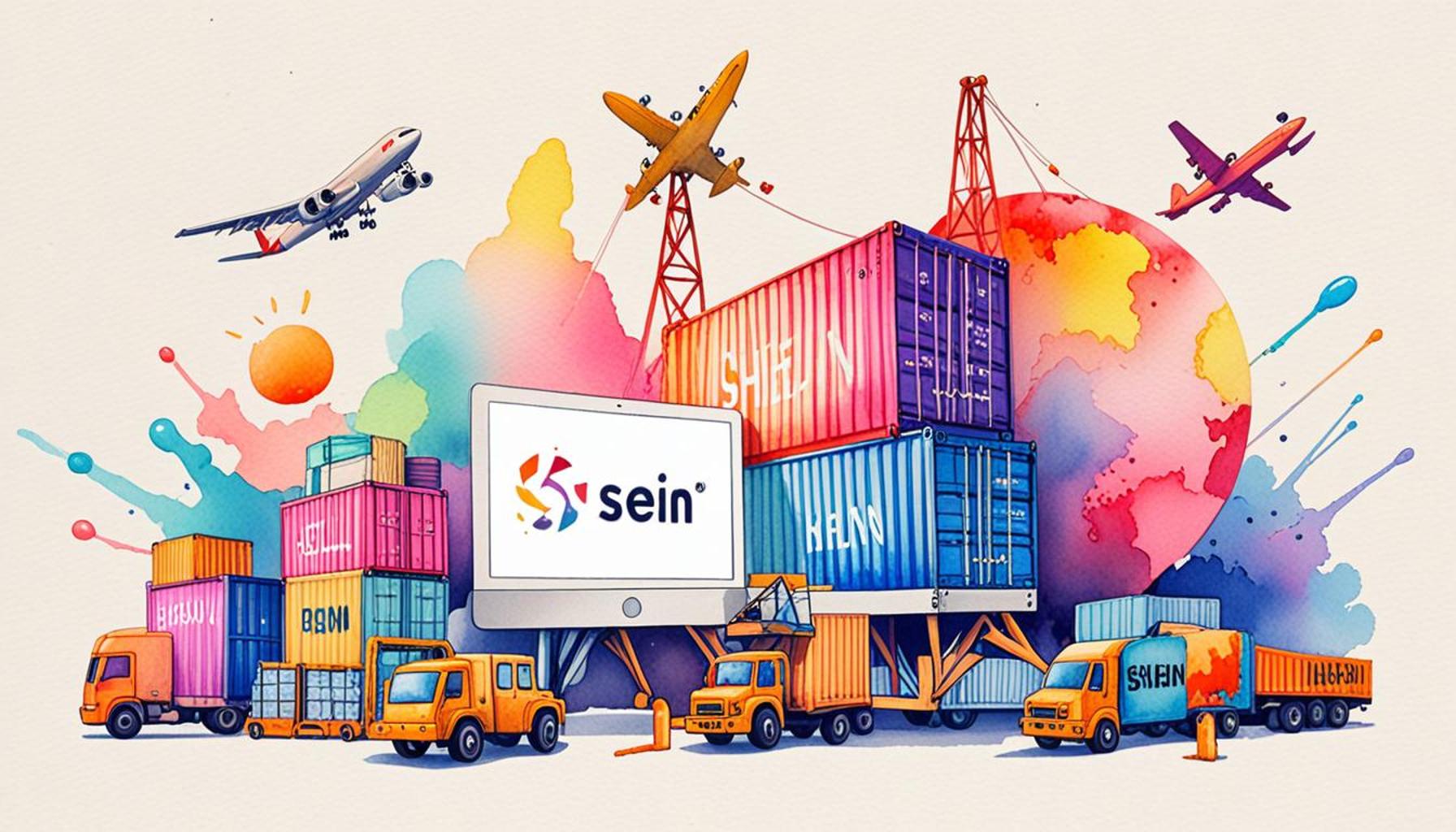
Innovation in Logistics: A New Era of Supply Chain Management
The world of e-commerce is witnessing a remarkable transformation, driven by innovative strategies and cutting-edge technologies. Among the leaders in this revolution is Shein, a global fashion powerhouse that is reshaping the logistics landscape. With its tenacious focus on efficiency, Shein has redefined how companies approach the complexities of supply chains in the fast-paced fashion industry.
At the heart of Shein’s transformative approach is a unique logistics strategy that emphasizes agility without sacrificing quality. Three key elements illustrate this strategy:
- Fast Fashion Model: Shein exemplifies the fast fashion concept by rapidly designing and producing clothing trends within weeks rather than months. The ability to move from concept to retail in such a short timeframe allows the brand to stay ahead of fashion trends and consumer expectations. For example, Shein can track trending items on social media platforms and respond almost instantaneously with new designs, often launching several new collections in a single month.
- Data-Driven Insights: Utilizing advanced analytics, Shein forecasts demand by examining buying patterns, seasonal shifts, and even social media buzz. By harnessing these data-driven insights, the company optimizes inventory levels and tailors its offerings to meet consumer desires, avoiding overstocking and minimizing waste.
- Decentralized Warehousing: To enhance delivery speeds, Shein implements localized distribution centers across key regions. This decentralized approach means products can be shipped to consumers more quickly and efficiently. For instance, U.S. customers might receive their orders from a fulfillment center located in closer proximity, reducing shipping times significantly, which is crucial in today’s market.
This dynamic environment also poses challenges for traditional retailers, which often struggle to keep pace with the rapid changes ushered in by digital commerce. However, those who adopt similar real-time data tracking and agile logistics solutions can find themselves thriving in this new landscape, much like Shein. Traditional brands need to rethink their supply chain strategies, shifting from static inventory management to a more proactive, flexible model.
As we dive deeper into how Shein is redefining the logistics framework, we can explore the implications for the broader e-commerce sector. Companies looking to compete with giants like Shein must embrace innovation in their logistics and supply chain management. The lessons from Shein’s success highlight that adaptability and utilizing technology are not just advantageous but essential for survival in an ever-evolving market.
Ultimately, as logistics continues to evolve, the integration of technology, analytics, and consumer insight will dictate the future for retailers. Those willing to learn from Shein’s pioneering approach can harness new opportunities and innovations that will redefine their own supply chains and customer experiences.
DIVE DEEPER: Click here to discover the differences
Revolutionizing Logistics through Technology and Strategy
In a market where speed and customer satisfaction are paramount, Shein stands out as a beacon of innovation. The brand’s logistics model is designed not just for efficiency but also for a profound understanding of consumer behavior. This profound comprehension fuels a competitive edge in the crowded e-commerce arena. Here are some of the defining characteristics that make Shein’s logistics approach revolutionary:
- Real-Time Inventory Management: Shein employs sophisticated software solutions that integrate inventory management with real-time sales data. Unlike traditional approaches that rely on periodical reviews, Shein’s system continuously monitors stock levels and demand fluctuations, allowing the company to adjust its inventory in response to immediate consumer needs. This agility significantly reduces the risk of excess inventory, ensuring that Shein can quickly pivot its offerings to align with market demands.
- Utilization of Artificial Intelligence: By leveraging artificial intelligence (AI), Shein can curate personalized shopping experiences for its customers. AI analyzes user preferences and previous purchase behaviors, enabling Shein to recommend products tailored to individual tastes. This technology not only engages customers but also drives sales, enhancing overall profitability.
- Sustainable Practices: In a world increasingly concerned with sustainability, Shein is addressing environmental challenges through its logistics. The company has begun to incorporate eco-friendly packaging and is evaluating the environmental impact of its supply chain processes. This not only appeals to conscientious consumers but demonstrates Shein’s commitment to sustainable practices in the fashion industry.
Moreover, the geographical influence of Shein’s logistics cannot be underestimated. The brand’s use of extensive supply chain networks extends to partnerships with local manufacturers, which offers multiple benefits. These partnerships not only reduce shipping times and lower costs but also stimulate local economies. In the U.S. market, Shein’s ability to rapidly fulfill orders through localized manufacturing and distribution hubs allows it to respond more swiftly to customer demands than traditional fashion retailers.
This innovative logistics strategy may pose challenges for conventional retailers, which often find themselves encumbered by extensive supply chains that are slow to adapt. However, the dynamism exhibited by Shein sends a clear message: the future of retail lies in logistics agility, technological integration, and consumer-centric strategies. By examining the means through which Shein has embedded these elements into its business model, it becomes apparent that a fundamental shift in supply chain management is imperative for those seeking to thrive in e-commerce.
As we continue to explore Shein’s innovative logistics practices, it is critical to understand that the lessons learned extend far beyond the fashion industry. Retailers across various sectors will benefit from adopting similar agile methodologies, emphasizing the importance of technology and consumer insights in shaping the future of supply chains.
As we delve deeper into the transformative logistics strategies employed by Shein, it’s important to note how digitalization has become a cornerstone of their supply chain mechanism. The integration of real-time data analytics allows Shein to respond swiftly to market trends and consumer demands. This operational agility not only enhances customer satisfaction but also minimizes excess inventory—an aspect critical in the volatile world of fast fashion. Furthermore, Shein utilizes advanced algorithms to forecast trends, ensuring that their production aligns closely with the latest consumer interests.
Another pivotal element in Shein’s supply chain innovation is its ability to streamline its logistics network. By establishing an extensive network of warehouses strategically located near key markets, Shein significantly reduces shipping times. This not only enhances their ability to provide same-day or next-day delivery but also contributes to lowering shipping costs, a crucial factor in the highly competitive e-commerce landscape. According to recent data, these strategies have enabled Shein to maintain a robust supply chain while offering competitive prices, which in turn strengthens their market position. With such logistics expertise, it is evident that Shein is not just participating in the e-commerce revolution, but actively shaping its future.
| Advantage | Description |
|---|---|
| Agility | Real-time data analytics enhance the speed of response to market trends. |
| Cost Efficiency | Streamlined logistics reduce shipping costs and provide competitive pricing. |
| Forecasting | Advanced algorithms ensure production aligns with consumer demands. |
| Speed | Strategically located warehouses enable faster shipping times. |
This innovative approach not only positions Shein favorably in terms of supply chain efficiency but establishes a model that other e-commerce platforms may look to emulate. Their commitment to logistics innovation exemplifies how technology can be harnessed to redefine conventional business practices in the digital age.
DON’T MISS: Click here to learn how to shop wisely for kids’ clothing
Enhancing Customer Experience through Logistics Innovation
Shein’s innovative approach to logistics goes beyond efficiency and speed; it focuses significantly on enhancing the customer experience. By utilizing advanced technologies and bespoke strategies, Shein has transformed how consumers interact with the brand, propelling it to the forefront of the e-commerce landscape.
- Data-Driven Decision Making: At the heart of Shein’s logistics innovation is its use of extensive data analytics. By gathering insights from consumer interactions, purchase patterns, and social media engagements, Shein is adept at forecasting trends. This predictive ability enables the company to introduce new styles ahead of competitors, catering specifically to what consumers desire. Their nimbleness in navigating changing fashion trends allows Shein to launch upwards of 6,000 new styles each week, an approach dwarfed by most traditional retailers.
- Diverse Fulfillment Strategies: Understanding that not all customers have the same expectations, Shein employs a variety of fulfillment strategies to accommodate different needs. From same-day delivery options in urban areas to international shipping solutions tailored for global customers, Shein’s logistics framework is designed to cater to a diverse audience. This variety allows the brand to serve a wide range of demographics while maintaining a reputation for speedy service.
- Integration of Augmented Reality (AR): The latest push in Shein’s logistics innovation involves integrating augmented reality into the shopping experience. By allowing customers to visualize clothing items on themselves through AR technology, Shein minimizes the uncertainty that often leads to returns. This technology not only enhances customer confidence in their purchases but also accelerates the shopping process, as consumers can make more informed choices.
Another pivotal aspect of Shein’s logistics strategy is its engagement with digital platforms. By optimizing its website and mobile app with seamless checkout processes and intuitive navigation, Shein simplifies the shopping experience. Enhanced tracking features allow consumers to stay informed about their orders, offering them peace of mind and eliminating the traditional anxieties associated with e-commerce shopping.
Additionally, Shein employs a robust returns management system that turns potential logistical pitfalls into opportunities for customer satisfaction. With easy return policies and efficient processing, Shein addresses consumer concerns, leading to higher levels of customer loyalty. In a 2022 study, it was reported that around 30% of consumers are more likely to shop with brands that offer flexible return options, underscoring the importance of Shein’s strategic approach.
Meanwhile, the company’s commitment to local shipping alternatives further amplifies its dedication to customer service. By fostering relationships with regional logistics providers, Shein minimizes shipping times and costs, a significant advantage in a market that increasingly prioritizes immediacy. As a result, consumers can receive their orders quicker, often within just a few days of placing them, which places Shein at a notable advantage over competitors who may rely on slower, traditional shipping methods.
In the quest for innovation in logistics, Shein exemplifies how a company can leverage technology to not only streamline operations but also transform the customer experience. As consumer expectations evolve, it is clear that the bar is raised for how retail businesses should manage their supply chain and logistics to stay relevant in this fast-paced e-commerce environment.
DISCOVER MORE: Click here to learn about personalization in e-commerce
Conclusion
In an era where e-commerce is rapidly evolving, Shein’s logistics innovations stand out as a powerful testament to how technology can redefine the supply chain. By deftly harnessing data analytics and diverse fulfillment strategies, Shein has not only streamlined operations but also significantly enhanced the customer experience. Their ability to predict trends and rapidly introduce new styles allows them to respond to consumer desires with remarkable agility, a feat that many traditional retailers struggle to match.
Furthermore, Shein’s integration of augmented reality into the shopping experience exemplifies a forward-thinking approach that addresses common challenges in online retail, such as uncertainty over fit and style. This innovative use of technology not only boosts consumer confidence but also facilitates informed purchasing decisions. In tandem with flexible return options and faster local shipping, Shein creates a logistics environment that prioritizes customer satisfaction while addressing the growing demand for immediacy.
As we look to the future, it is evident that Shein’s logistics model offers valuable insights for other e-commerce businesses striving to remain competitive. To maintain relevance in this fast-paced market, companies must consider adopting similar innovative logistics practices that integrate technology, adaptability, and a consumer-centric approach. By doing so, they can not only keep pace with changing consumer expectations but also enhance their own operational efficiencies and ultimately succeed in the dynamic world of e-commerce.

Linda Carter
Linda Carter is a writer and expert known for producing clear, engaging, and easy-to-understand content. With extensive experience in guiding people as they pursue their goals, she shares valuable insights and practical advice. Her mission is to help readers make informed choices and achieve meaningful progress.