The Influence of Social Media on the Purchase Decisions of Shein Consumers
Influence of Social Media on Fashion Retail
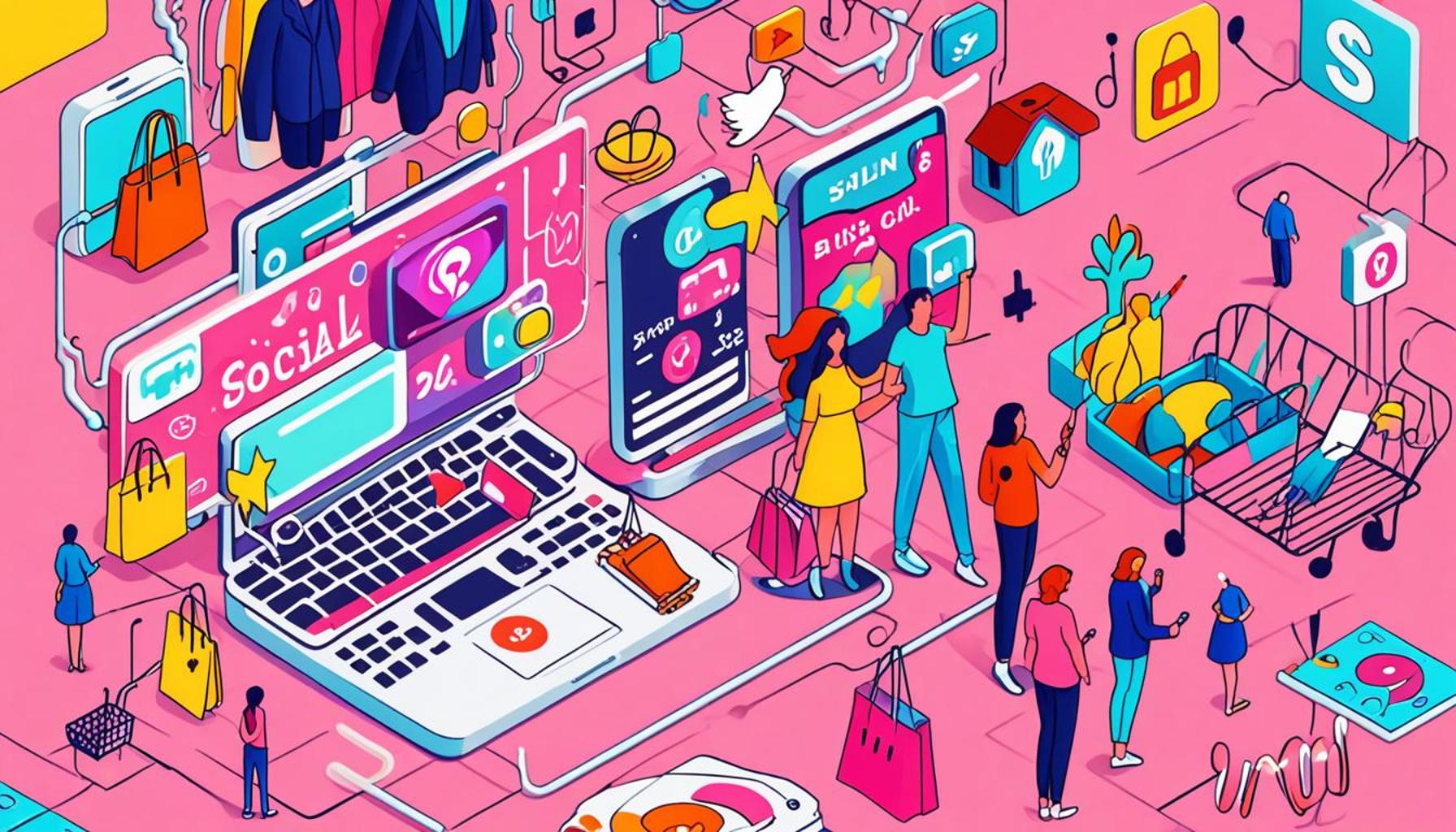
In the fast-paced world of fashion retail, social media has emerged as a powerful force shaping consumer behavior. The rise of platforms like Instagram, TikTok, and Facebook has transformed how consumers discover and engage with brands. Shein, a global fast-fashion giant, is at the forefront of this revolution, utilizing these platforms to connect with millions of shoppers worldwide.
Modern consumers are increasingly turning away from traditional advertising methods, seeking instead authentic and relatable content. They trust their peers more than marketing claims, making user-generated content a crucial element in their purchasing decisions. Fittingly, Shein encourages customers to share their outfits by hosting fashion challenges and showcasing consumer posts on their official accounts. This strategy effectively creates an engaging community that not only promotes its products but also builds customer loyalty.
Another compelling aspect of social media’s influence is the role of influencer endorsements. Shein collaborates with fashion influencers who resonate with their target demographic, ranging from micro-influencers with dedicated followings to larger personalities with millions of fans. For instance, influencers often curate seasonal lookbooks featuring Shein’s latest collections, which can generate substantial interest and boost sales within hours of the post. The immediacy with which these endorsements reach consumers is unparalleled compared to traditional advertising, further solidifying their impact.
Furthermore, social media platforms facilitate interactive engagement between brands and consumers. Shein harnesses features like polls, quizzes, and live streams to draw consumers directly into the brand narrative. For example, Instagram Stories allow Shein to quickly gauge consumer preferences or tease upcoming products, creating buzz and anticipation. This two-way communication isn’t just a marketing strategy; it is an evolution of brand-consumer relationships, transforming static brands into dynamic entities that respond to real-time feedback.
Today’s data presents staggering insights into consumer behavior, with approximately 70% of Gen Z reportedly influenced by social media when making shopping decisions. This demographic not only seeks fashion but craves connection and community through their purchases. Moreover, Shein’s targeted ads boast engagement rates that frequently surpass traditional marketing methods, showcasing the effectiveness of tailored social media campaigns.
As we explore these influences, it becomes clear how social media reshapes not just shopping habits but entire consumer identities. In this contemporary retail landscape, concepts such as authenticity, immediacy, and engagement are fundamental. Likes, shares, and comments are not just metrics; they can drive sales, spark brand loyalty, and ultimately define a fashion brand’s success. This is a world where every post counts and every interaction builds a deeper connection to the consumer’s personal style and aspirations.
DON’T MISS OUT: Click here to find out more
Social Media Dynamics and Consumer Behavior
The evolution of social media is not merely a backdrop to modern shopping; it is a central player in shaping the very decision-making processes of consumers, particularly younger generations. For Shein, a brand synonymous with affordable and trendy apparel, social media acts as a pivotal avenue for reaching and influencing potential buyers. Understanding the intricate relationship between social media engagement and purchase behavior is essential for both consumers and businesses alike.
At the heart of this phenomenon lies the concept of peer validation. Today’s consumers are not satisfied with merely scrolling through products. They seek verification and reassurance from their circle of friends, families, and online communities. This environment has prompted Shein to leverage various platforms to encourage the sharing of authentic information. The most successful tactics include:
- User-Generated Content: Shein actively invites its customers to post images and reviews of their purchases, creating a rich tapestry of real-life testimonials. This authentic engagement often leads to increased trust and, consequently, higher conversion rates.
- Influencer Partnerships: Collaborating with fashion influencers not only amplifies Shein’s reach but also aligns the brand with credible voices that resonate with specific segments of the consumer audience. These personalities often curate collections that reflect the current trends, driving immediate interest and urgency.
- Real-Time Feedback: The interactive features of social media allow Shein to adapt rapidly based on consumer preferences, evidenced in their ability to receive immediate reactions to new designs or promotions. This agility reinforces consumer loyalty as shoppers feel valued and listened to.
Data reveals staggering trends when it comes to purchasing behavior influenced by social media. According to recent surveys, nearly 83% of consumers between the ages of 18 and 29 have made a purchase after viewing a product on social media. This statistic underscores the significant role platforms play in not just product discovery but also the actual decision to buy. Shein’s reliance on social media for marketing is reflected in their strategic decision to highlight trending items and continuously adjust their offerings to align with the interests expressed by users online.
Moreover, the algorithm-driven nature of platforms such as Instagram and TikTok means that consumers are inundated with personalized content, increasing exposure to Shein’s offerings tailored to individual preferences. This level of customization breaks down traditional marketing barriers, offering a seamless connection between consumer interest and purchasing action.
As buyers engage with Shein’s social media presence, they do so not just as customers but as part of a broader community excited about fashion. The role of social media in shaping fashion retail, particularly with regard to Shein consumers, highlights a significant shift in how brands must operate in today’s digital landscape. With an ever-growing reliance on these connections, the future of consumer behavior will undoubtedly be shaped by the merging paths of social engagement and retail transactions, which places social media firmly at the heart of purchase decisions.
The Social Media Impact on Shein’s Consumer Behavior
In today’s digital age, social media platforms have become pivotal in shaping consumer opinions and behavior. For Shein, a leading online fashion retailer, the influence of social media cannot be overstated. Platforms like Instagram, TikTok, and Facebook serve as the primary avenues through which Shein reaches its target audience, predominantly young consumers. These platforms allow users to discover trendy styles through influencers and peer recommendations, reinforcing the brand’s visibility and appeal.
Furthermore, the role of visual content on these platforms greatly affects the purchasing decisions of consumers. Products featured in aesthetically pleasing posts or engaging videos often garner attention, leading to increased interest and purchases. The immediacy of social media allows for real-time feedback and interaction, creating a dynamic shopping experience. Many Shein consumers openly share their own styled outfits online, inadvertently participating in a cycle of consumerism driven by community interaction.
| Social Media Aspect | Influence on Consumers |
|---|---|
| Influencer Marketing | Increases brand trust and credibility through relatable endorsements. |
| User-Generated Content | Encourages a sense of community and shared identity among consumers. |
The importance of timely responses and interactions cannot be ignored either. Social media not only facilitates brand visibility but creates a conversational atmosphere where feedback can shape product development and marketing strategies. This sense of engagement effectively draws consumers deeper into the Shein ecosystem, further solidifying their purchasing habits.
DIVE DEEPER: Click here to learn about Shein’s SEO success</a
The Power of Social Proof and Influencer Culture
Another critical component in the relationship between social media and the purchase decisions of Shein consumers is the concept of social proof. When potential buyers see their peers and influencers showcasing Shein products, it creates a bandwagon effect that persuades them to make purchases themselves. This phenomenon is especially pronounced among Generation Z and Millennials, who are more likely to trust recommendations from peers and social media personalities than traditional advertising.
The visual nature of platforms such as Instagram and TikTok plays a significant role in how Shein markets its offerings. Users are drawn in by stylish photos and short video content that highlight products in appealing contexts. For instance, Shein’s “#SHEINHaul” hashtag has become a trend that showcases consumers displaying their recent purchases and styling them in various ways. This not only provides inspiration for potential buyers but also reinforces the social proof that Shein products are desirable and fashionable.
Moreover, statistics reveal more about the impact of social proof on consumer behavior. A survey conducted by the Influencer Marketing Hub showed that approximately 49% of consumers depend on influencer recommendations before making a purchase. This statistic becomes particularly noteworthy for Shein, as it has partnered with an array of micro and macro influencers. By engaging with these influencers, Shein effectively broadens its reach to niche audiences who may align closely with specific fashion styles or preferences.
Data also indicates that when influencers promote a product, approximately 40% of their followers are inclined to purchase that item. When influencers wear Shein clothes, their endorsement boosts trust and credibility for the brand. In a marketplace saturated with choices, a validating nod from a trusted influencer serves as a powerful motivator, pushing hesitant consumers toward buying.
An emerging trend is the concept of “shoppertainment,” where social media platforms combine shopping with entertainment. Live shopping events, such as those seen on TikTok, allow Shein to create a vibrant shopping experience where consumers can view products in real-time, ask questions, and make purchases seamlessly. This interactive format not only engages customers but also fosters spontaneity, encouraging immediate purchases driven by excitement and impulse.
Shein’s adeptness at utilizing popular social media challenges and trends illustrates how brands can creatively engage their audiences. By participating in viral challenges—like the “outfit challenge”—Shein harnesses the power of collective fun, drawing attention to its offerings while encouraging user-generated content. When consumers see their friends or celebrities participate, it cultivates a sense of belonging and influences them to explore the brand further.
Additionally, Shein has adopted the practice of leveraging limited-time promotions, often announced and amplified via social media. Urgency can be a strong driver of consumer action; limited-time offers can trigger a fear of missing out (FOMO), activating the decision-making process to purchase before time runs out. This strategy plays into the impulsive nature of buying behaviors observed in social media-driven environments.
As the intersection of social media and retail evolves, brands like Shein must adapt to meet the changing expectations of consumers who increasingly seek personal connections and social validation in their shopping experiences. Establishing a robust presence on social media is no longer just an option; it is now a foundational strategy for influencing the purchase decisions of contemporary consumers.
DIVE DEEPER: Click here to learn more
Concluding Insights: Social Media’s Impact on Shein Purchases
In conclusion, the profound influence of social media on the purchase decisions of Shein consumers cannot be overstated. As we have explored, the interplay between engaging content, social proof, and influencer culture creates a formidable ecosystem that shapes consumer behavior. The strategic use of platforms like Instagram and TikTok allows Shein to not only showcase its products but also to build a sense of community among shoppers who crave validation and connection through shared experiences.
The rise of shoppertainment and live shopping events has redefined the retail landscape, fusing entertainment with shopping in a manner that captivates today’s audience. By tapping into current trends and fostering a participatory culture, Shein successfully engages its target market, particularly the younger demographics, who are increasingly polarized by traditional advertising methods. The statistics reveal that nearly half of all consumers rely on influencer recommendations, making collaborations with social media personalities a vital component of Shein’s marketing strategy.
Moreover, the integration of limited-time offers and FOMO-driven promotions creates a sense of urgency that further compels instant purchasing decisions. As digital consumers continue to evolve and demand more immersive shopping experiences, brands like Shein must remain agile, adapting to meet their audience’s desire for authenticity and connection.
Ultimately, the discourse surrounding the influence of social media on consumer purchasing decisions is an ever-changing landscape, replete with opportunities for brands willing to innovate and engage meaningfully. Understanding the nuances of this relationship not only drives Shein’s success but also serves as a blueprint for other retail brands exploring the dynamic interplay between digital platforms and consumer behavior.

Linda Carter
Linda Carter is a writer and expert known for producing clear, engaging, and easy-to-understand content. With extensive experience in guiding people as they pursue their goals, she shares valuable insights and practical advice. Her mission is to help readers make informed choices and achieve meaningful progress.